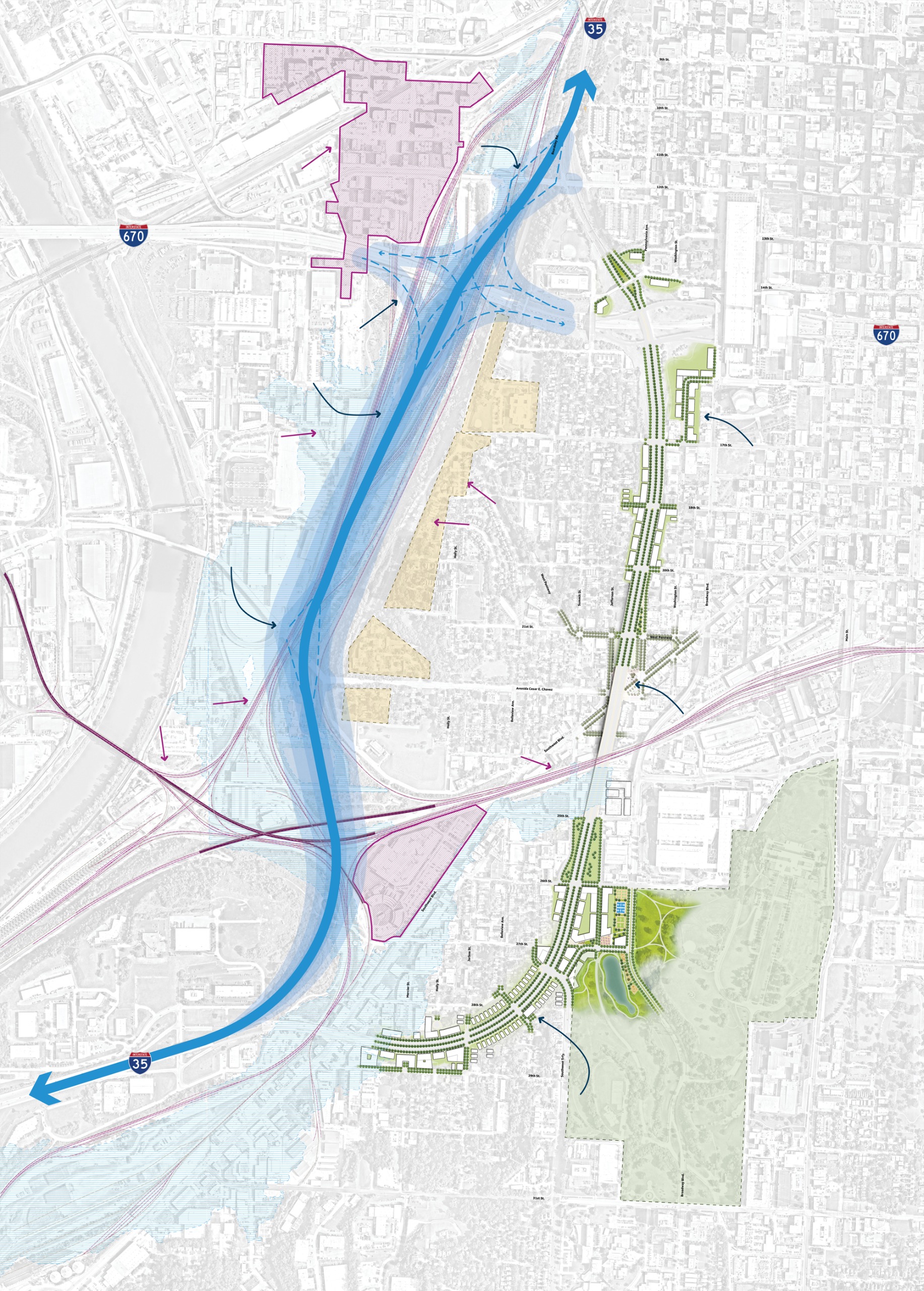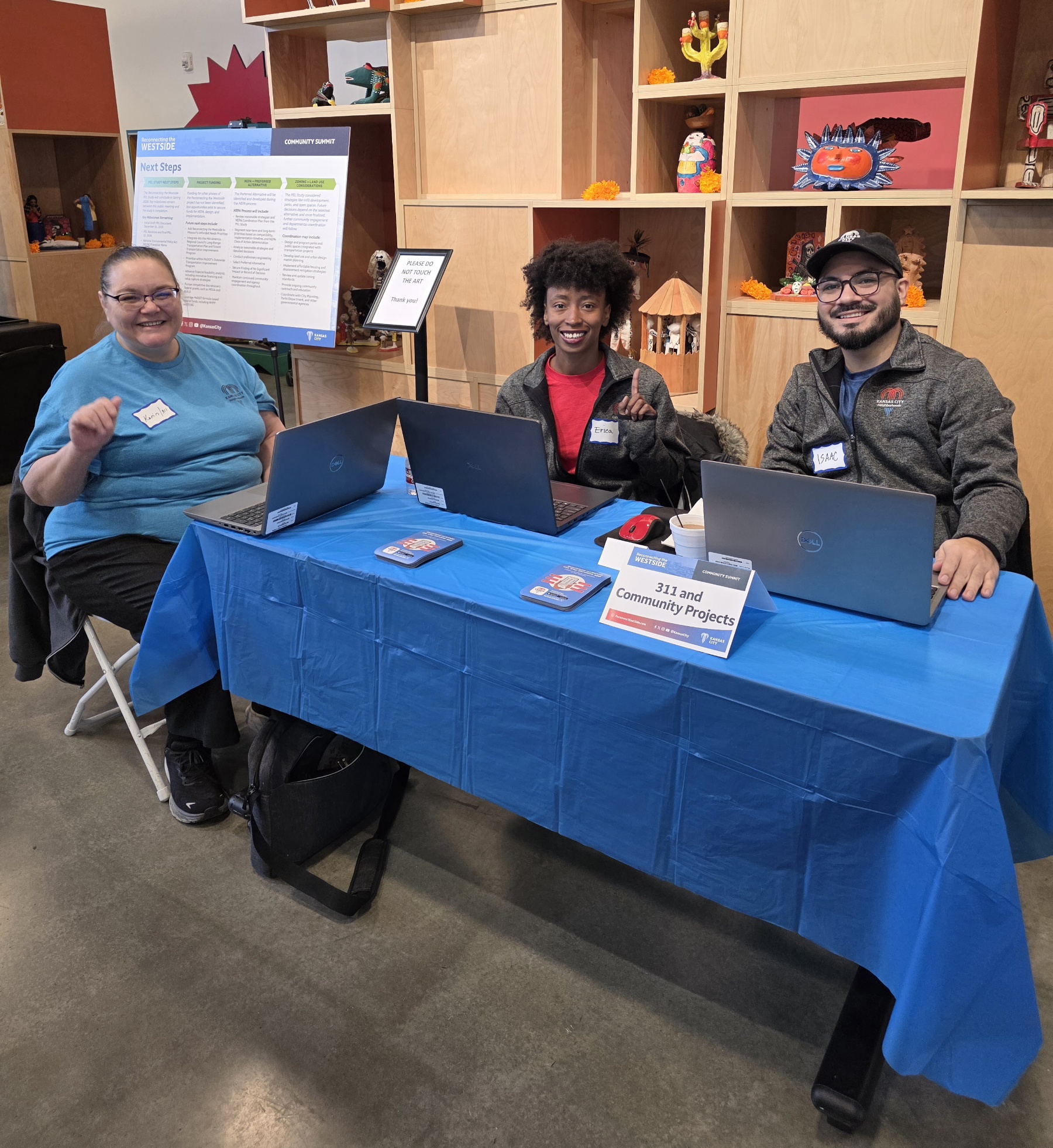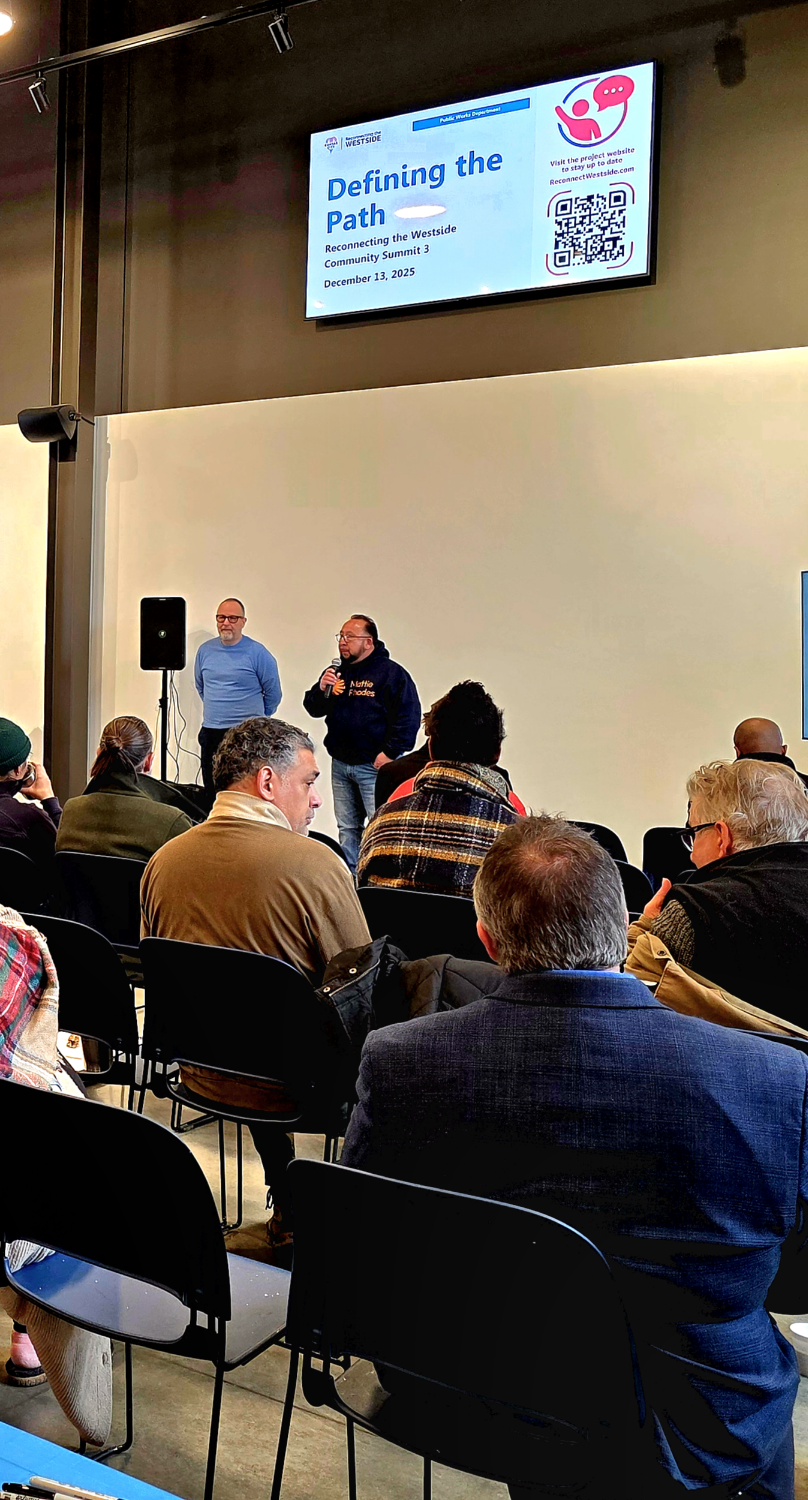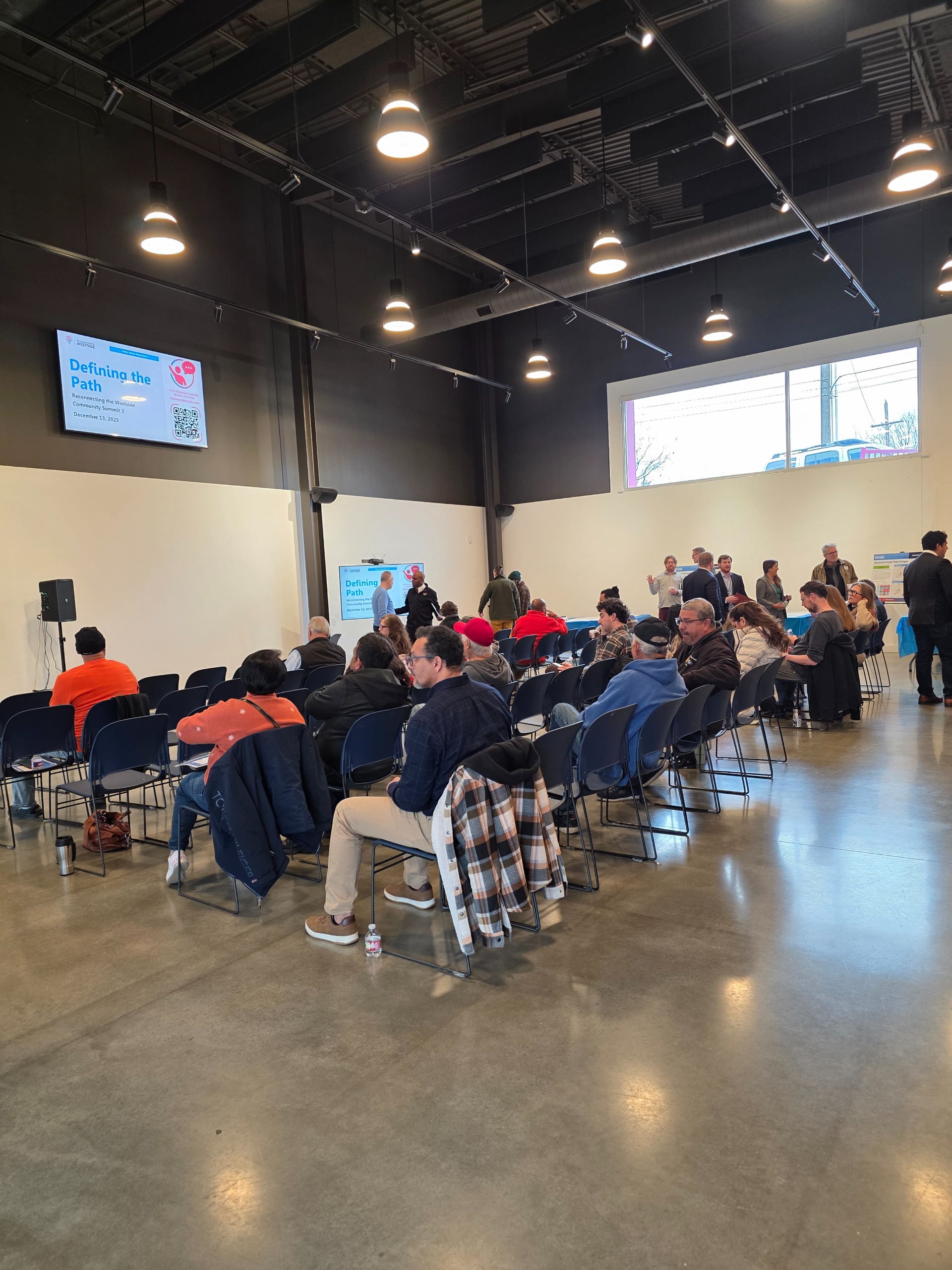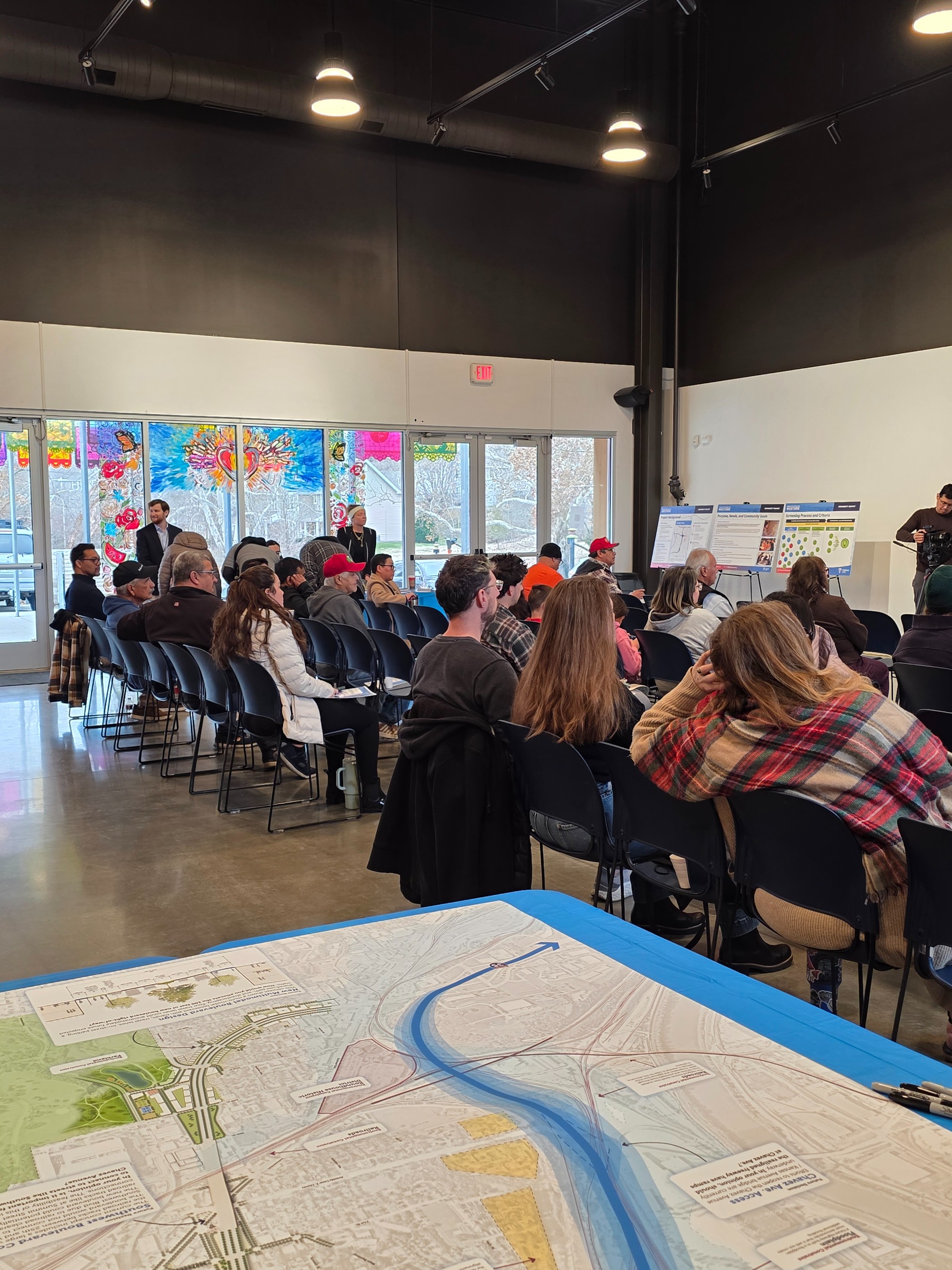
Welcome!: Reconnecting the Westside: Family Friendly Community Summit #3 - Defining the Path

Defining the Path for a Reconnected Westside: We will review both the initial and refined alternatives under consideration and highlight how your recommendations and input over the past several months have shaped their design. Thank you for your continued commitment—we hope you’ll join this final session to help define the path forward for Reconnecting the Westside.

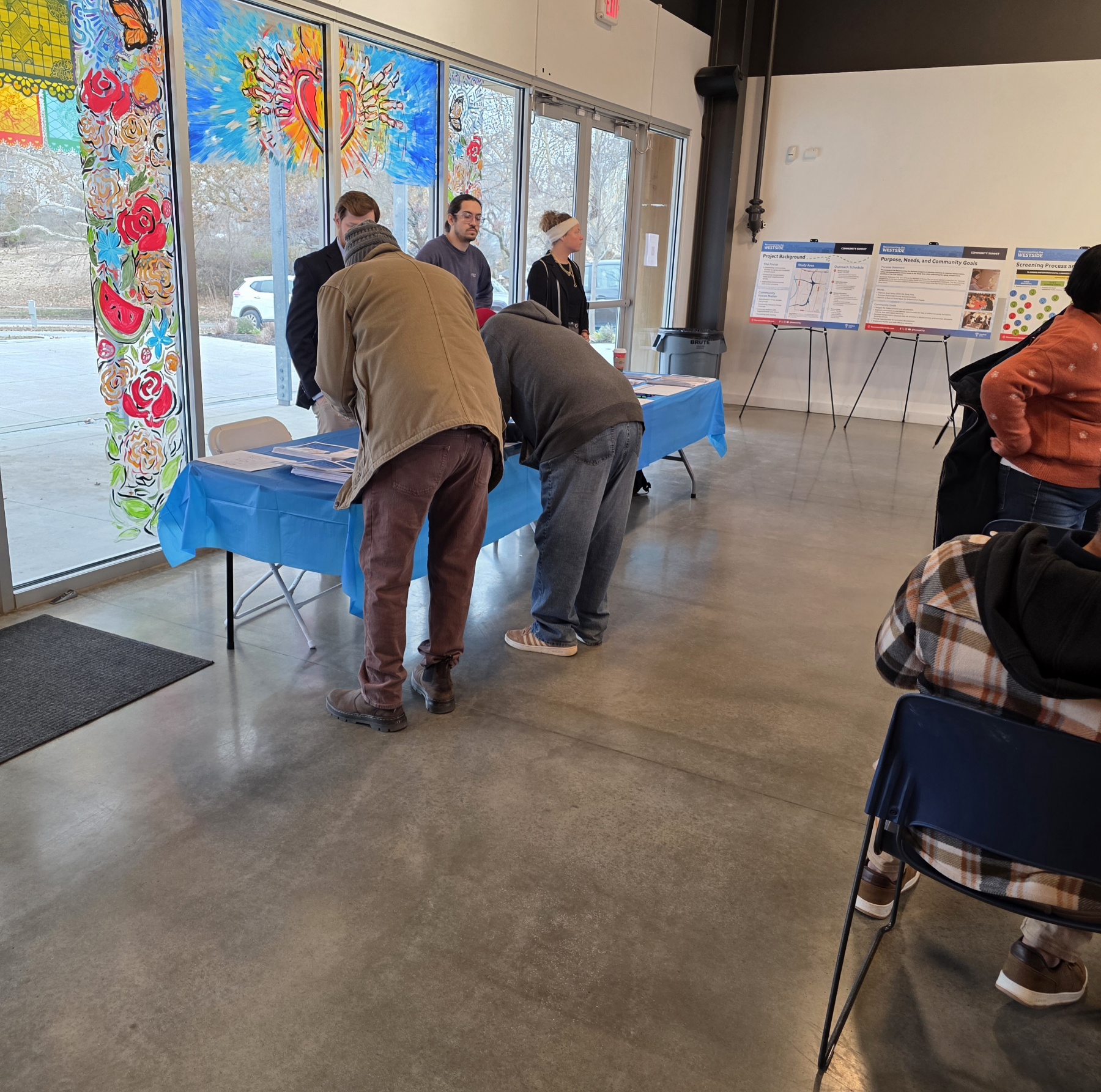
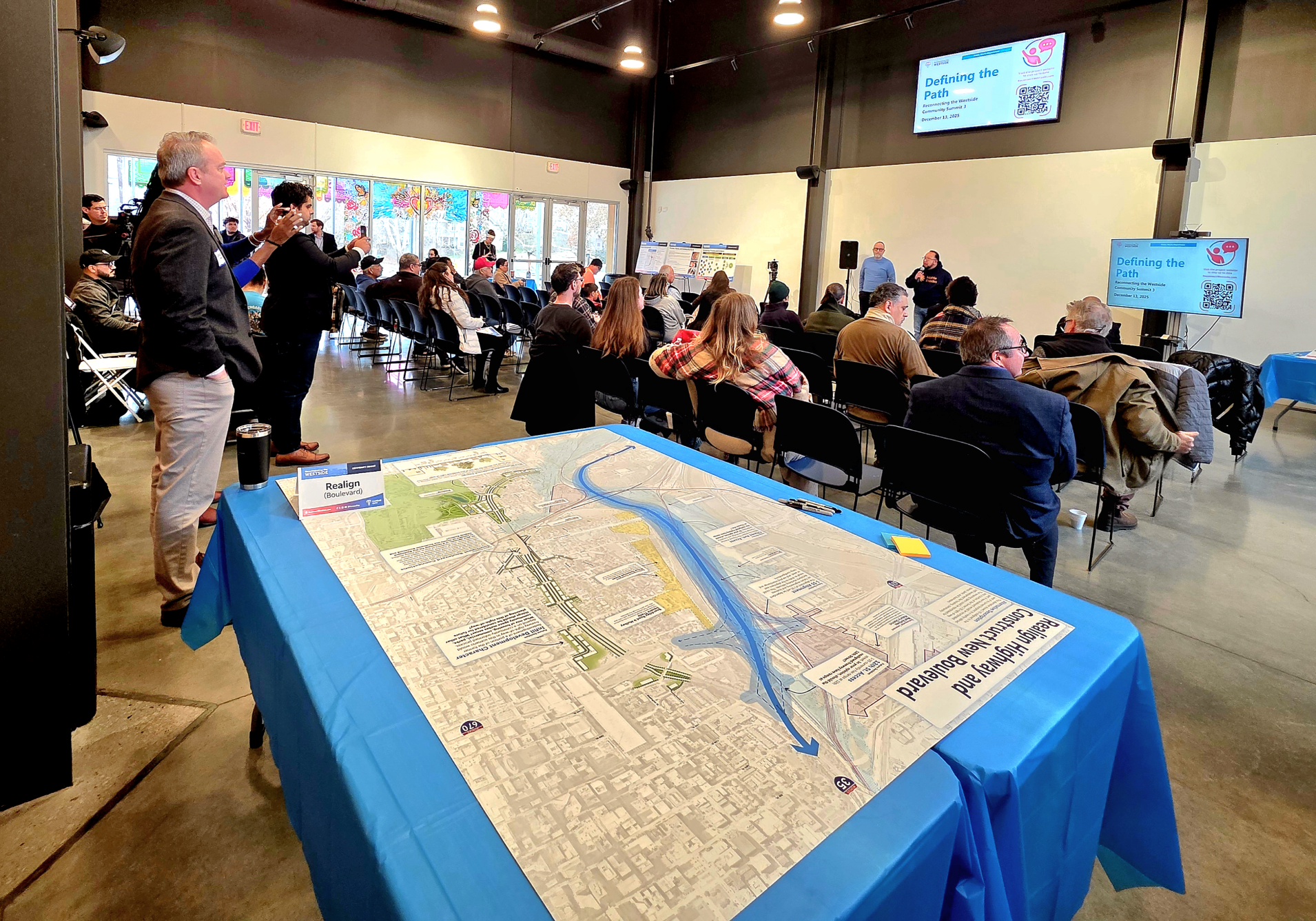
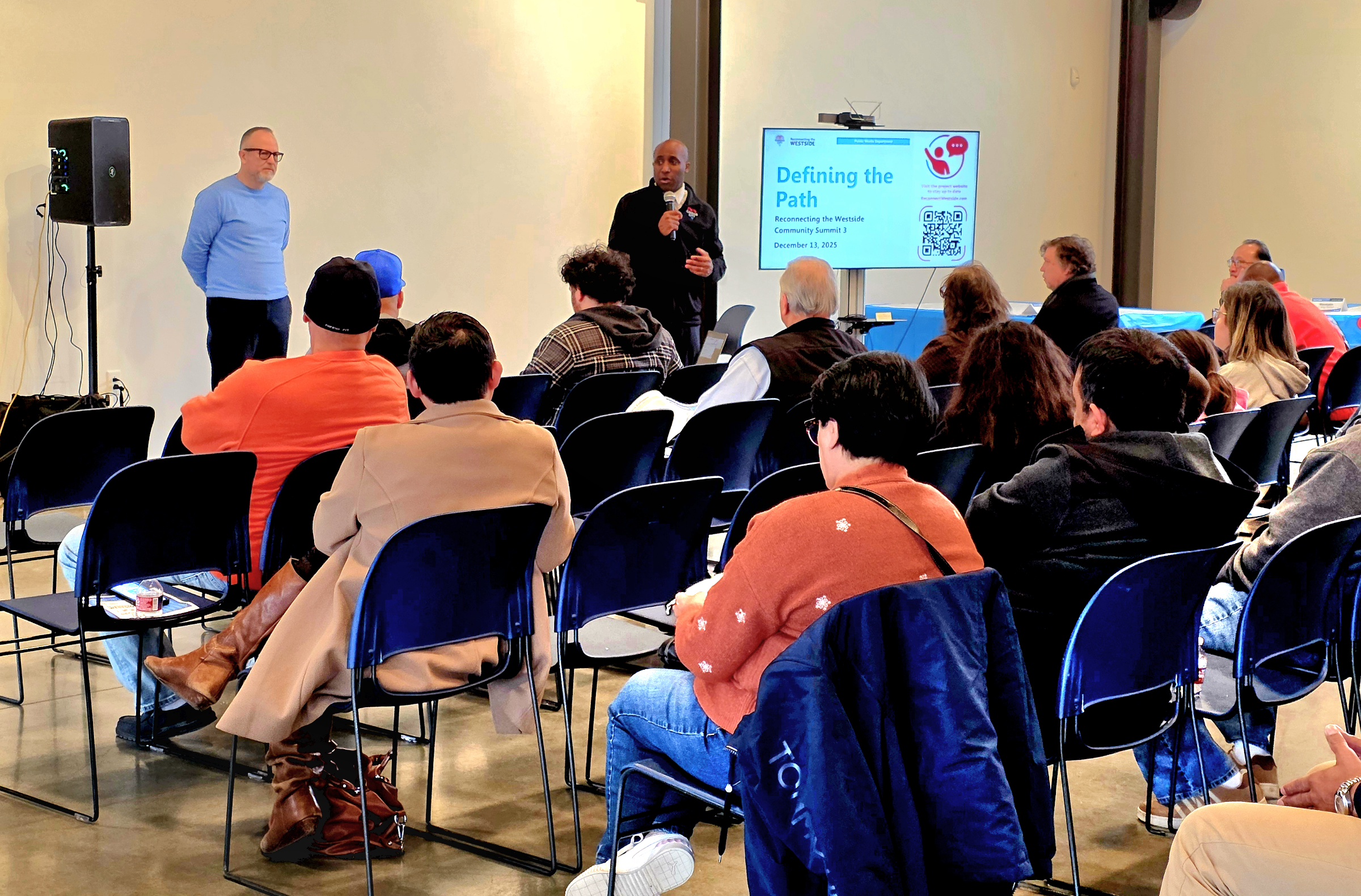
Thank you for joining us for this family-friendly event to review Preliminary Refined Alternatives at Community Summit #3. All information and materials presented are include on this page. Please review and submit your comments!

Presentation Video


Presentation Boards

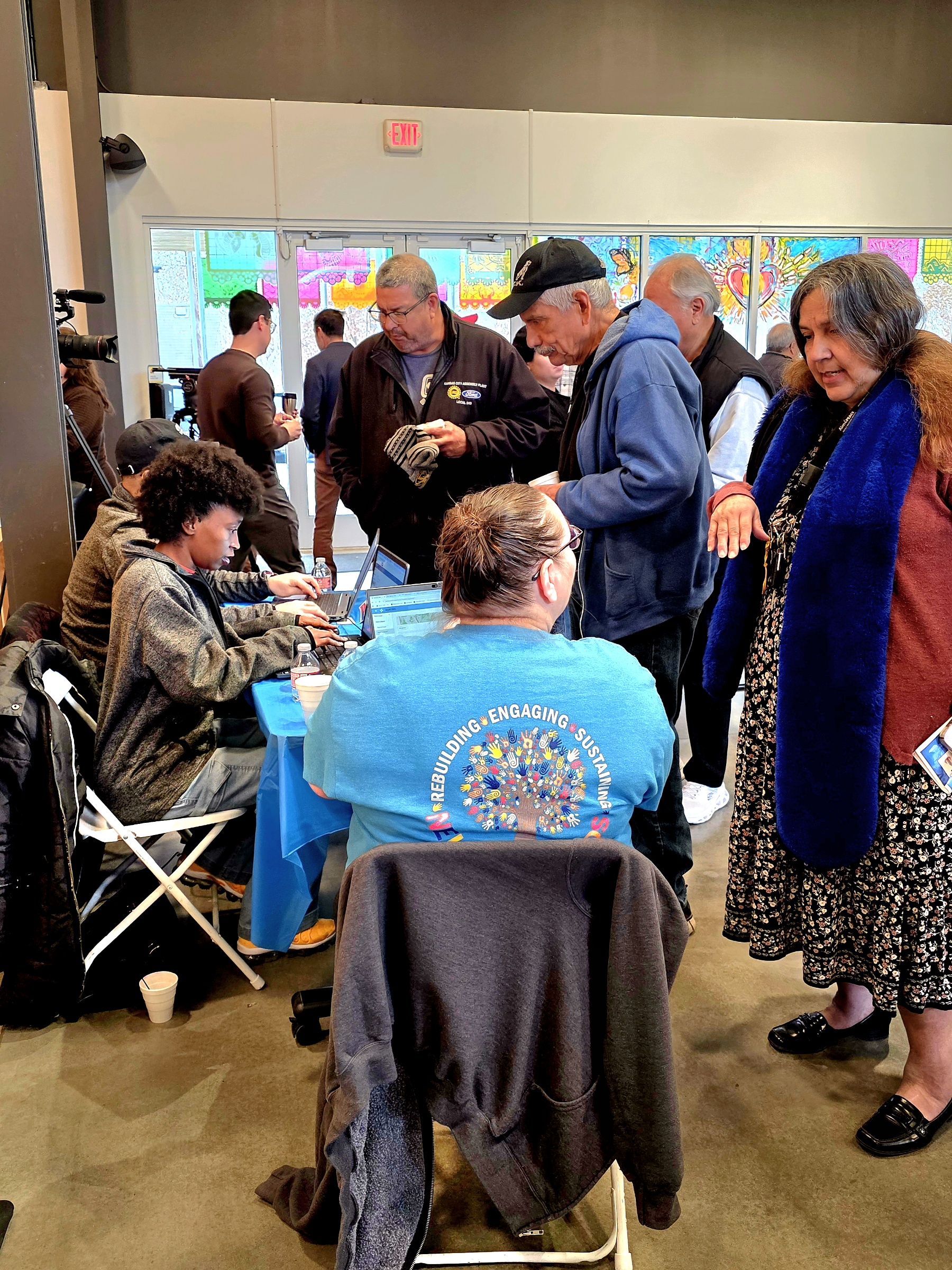
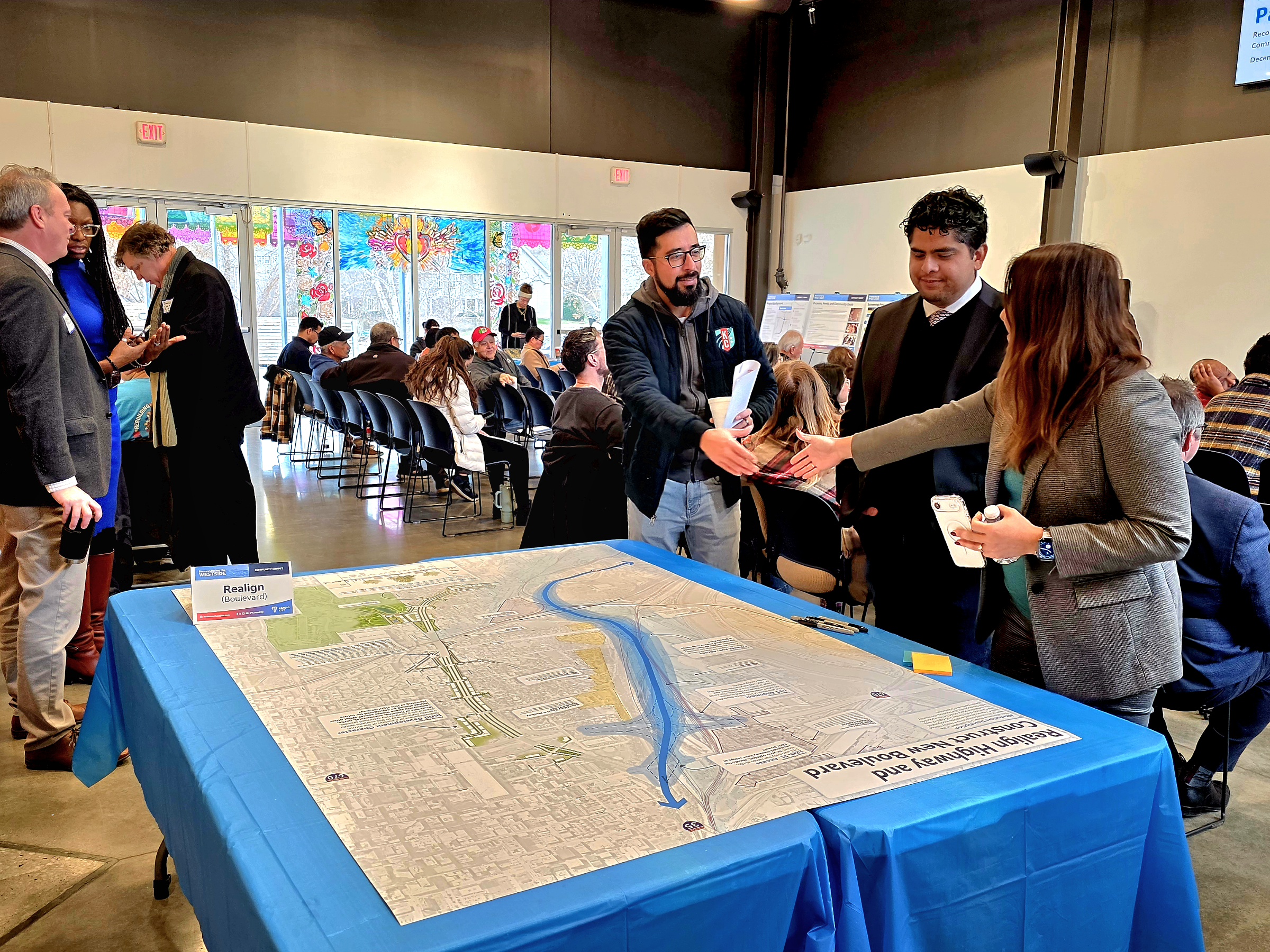
Community Summit #3 Engagement

Share Your Ideas and Feedback!

Purpose and Need

Purpose and Need

Purpose, Needs, and Community Goals

Your input helped guide the project's Purpose and Need. Purpose and Need Document coming soon!

Purpose Statement

The purpose of the Reconnecting the Westside project is to develop solutions to improve transportation safety and transportation choice issues in the Study Area while addressing the aging infrastructure condition of the I-35 viaduct.

Southwest Trafficway, I-35, and I-670 on the Westside of Kansas City are access barriers to and from the Westside Neighborhood and have contributed to safety, health and economic development challenges. The Reconnecting the Westside project intends to address transportation-related needs while also recognizing and considering these issues.

Needs

  • Improve Road Safety within the Study Area
  • Promote Multimodal Access and Connectivity
  • Maintain a State of Good Repair for Infrastructure Assets

Community Goals

  • Mitigate the impact of noise and air pollution.
  • Improve connections to and identify opportunities for new or enhanced parks, recreation, cultural, and open space resources.
  • Develop transportation solutions that are sensitive to displacements and promote affordable housing options.
  • Provide opportunities for economic development.
  • Implement feasible and cost-effective solutions.

Process and Criteria

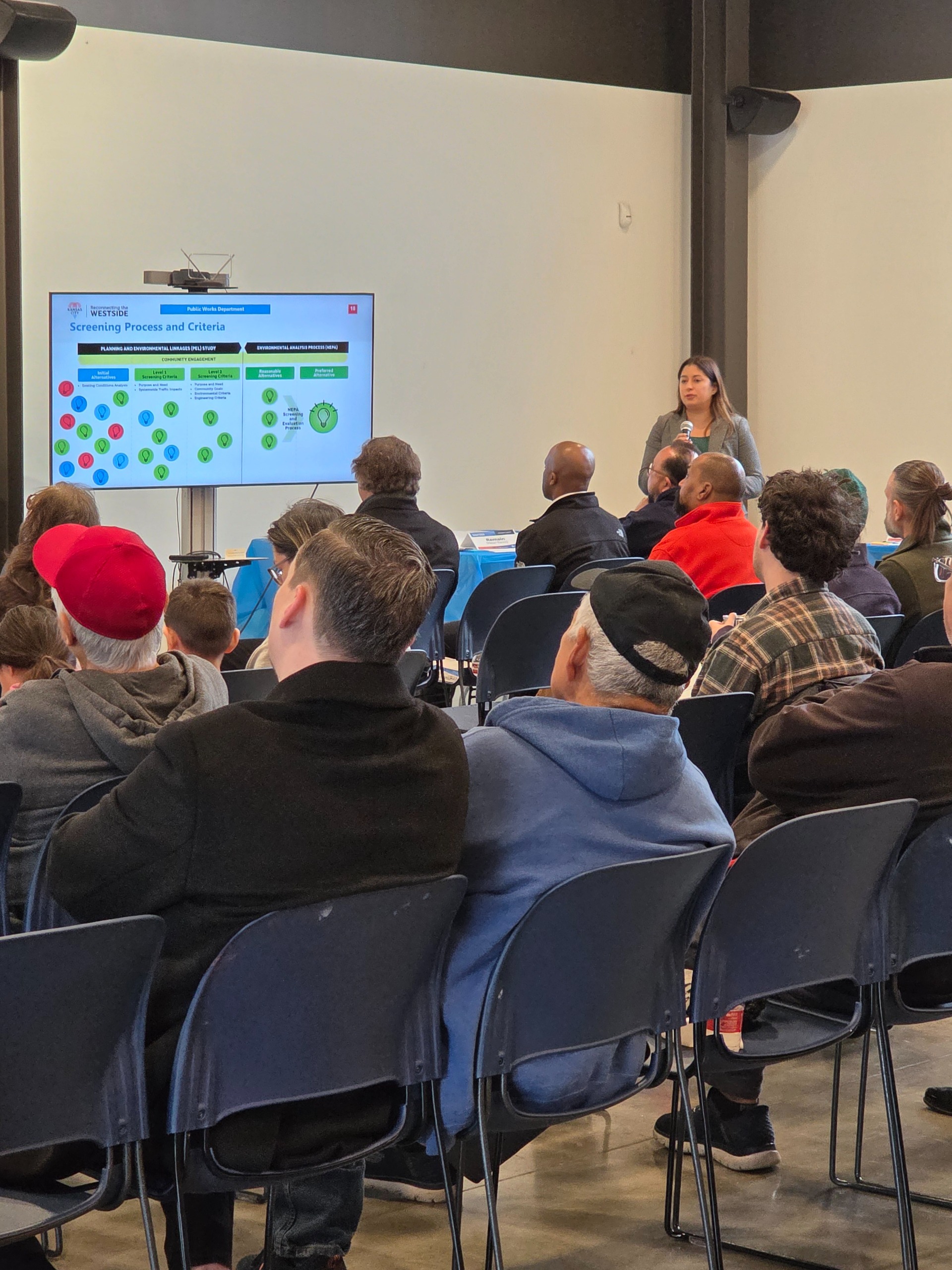
Screening Process and Criteria

Process evaluates whether a potential solution should be moved forward for recommendation.

Key steps include defining scope, identifying resources, early stakeholder engagement, evaluating alternatives, to document findings and ensure a streamlined NEPA process.

Image shows the screening process and criteria used

Planning and Environmental Linkages (PEL) Study starts with Initial Alternatives including Existing Conditions Analysis, Level 1 Screening Criteria including Purpose and Need and Systemwide Traffic Impacts, Level 2 Screening Criteria includes Purpose and Need, Community Goals, Environmental and Engineering Criteria.

Next comes Environmental Analysis Process (NEPA) starting with narrowing down Reasonable Alternatives, the moving to NEPA Screening and Evaluation Process to finalize a Preferred Alternative.

Travel Times

Illustrative Travel Time Changes

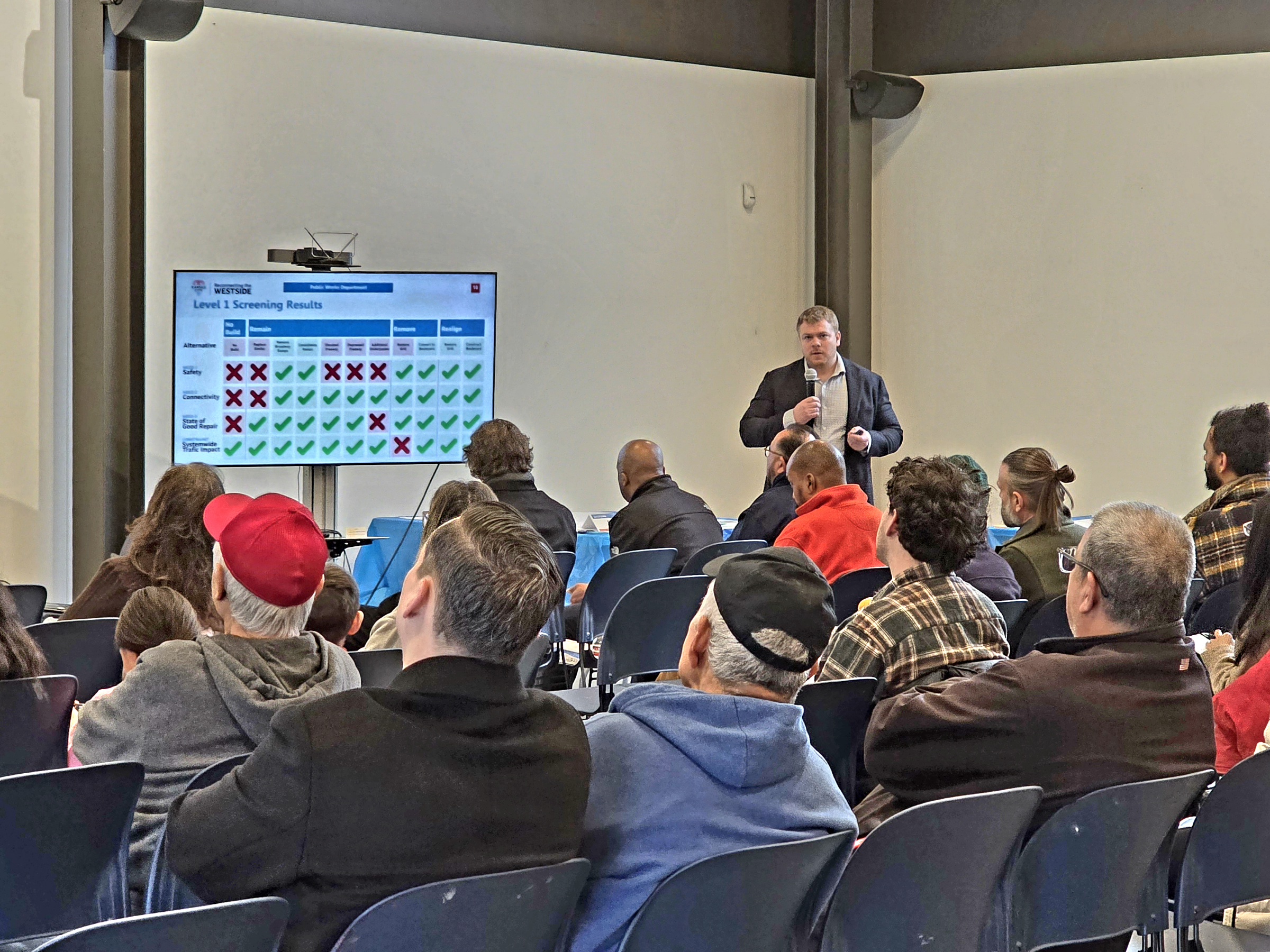
Level 1 Screening Criteria

This study filters out unreasonable alternatives, using qualitative assessments before a deeper analysis, focusing on whether options meet the project's Purpose and Need and Community Goals.

How do the Alternatives Impact Regional Travel?

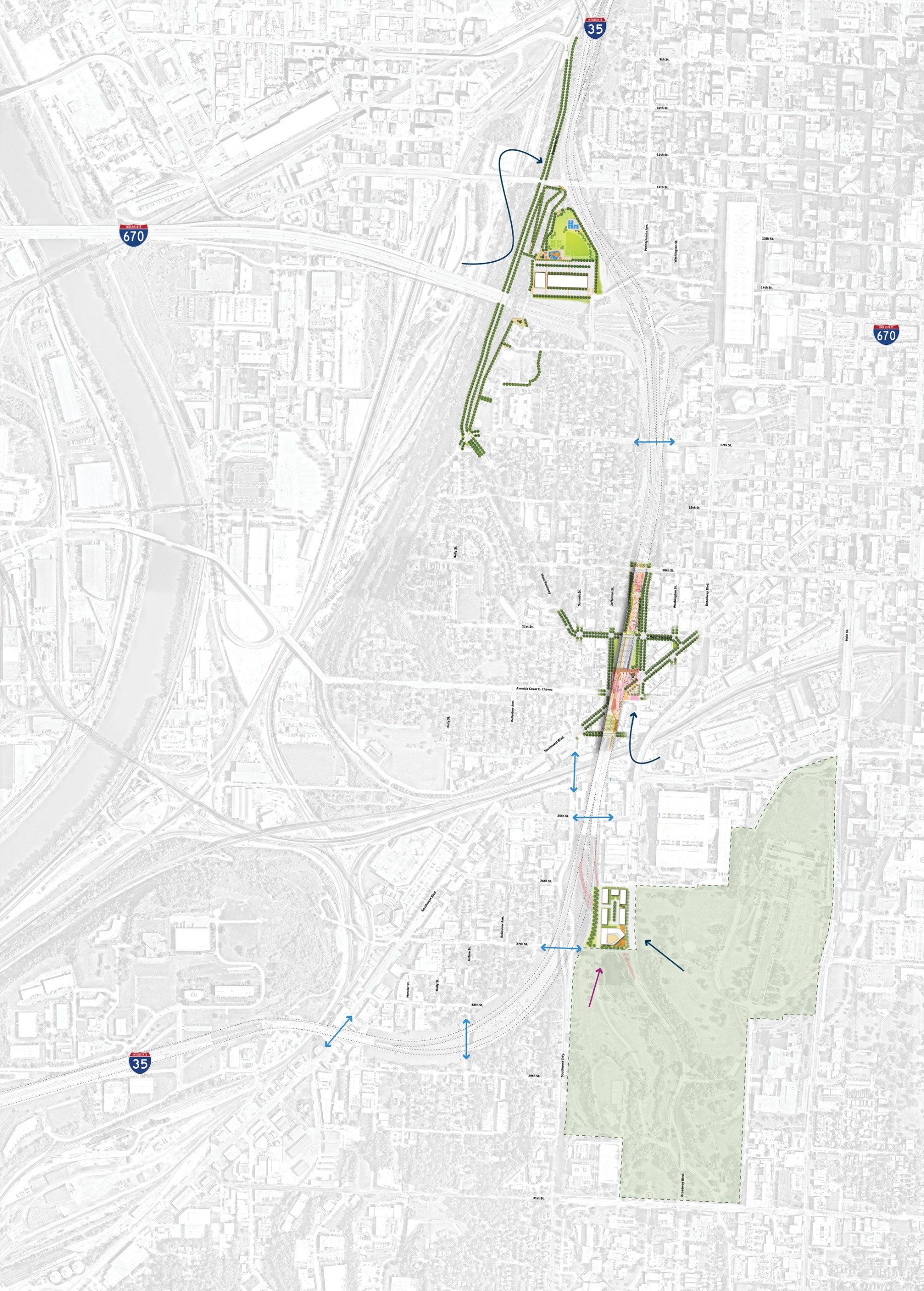
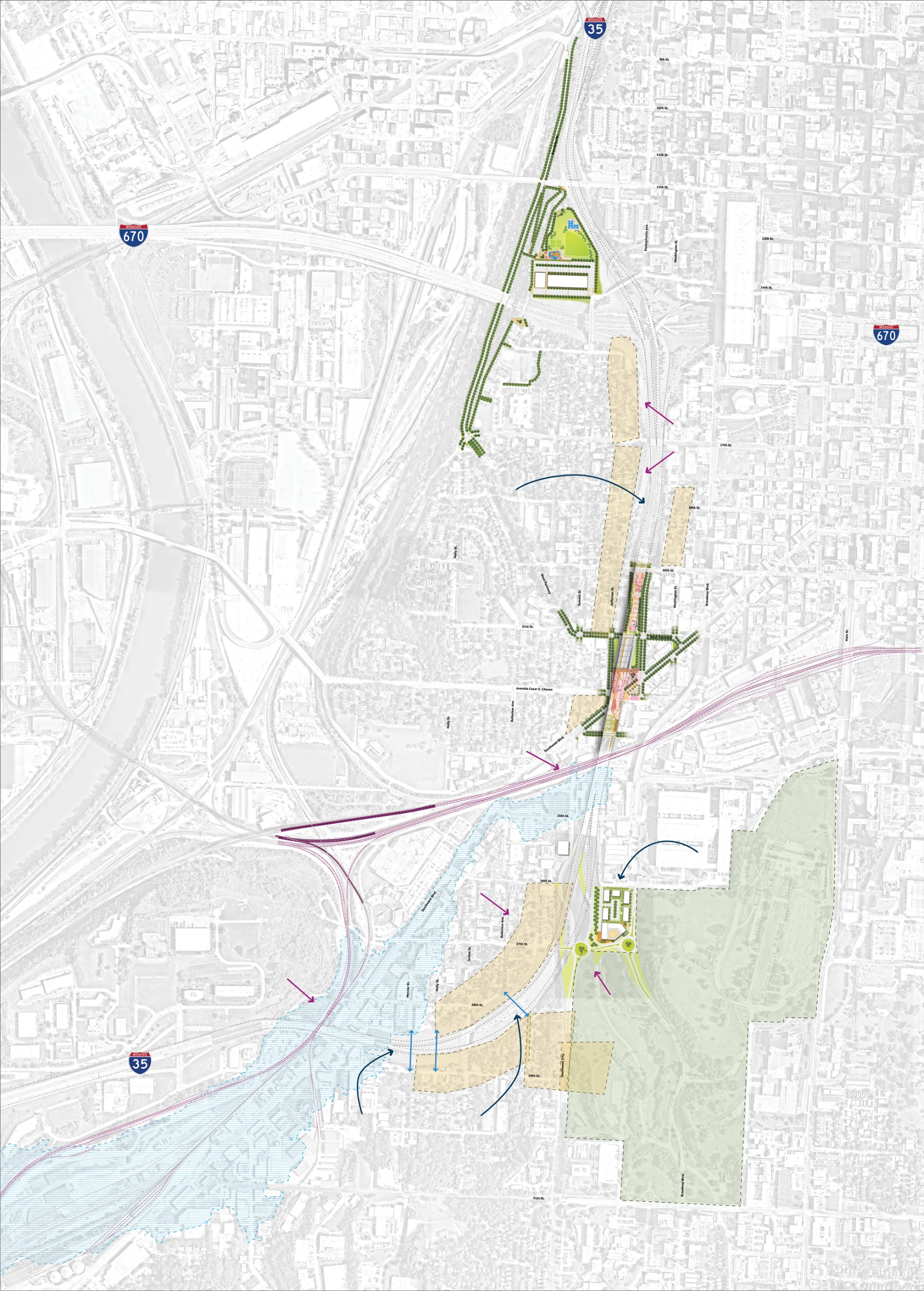
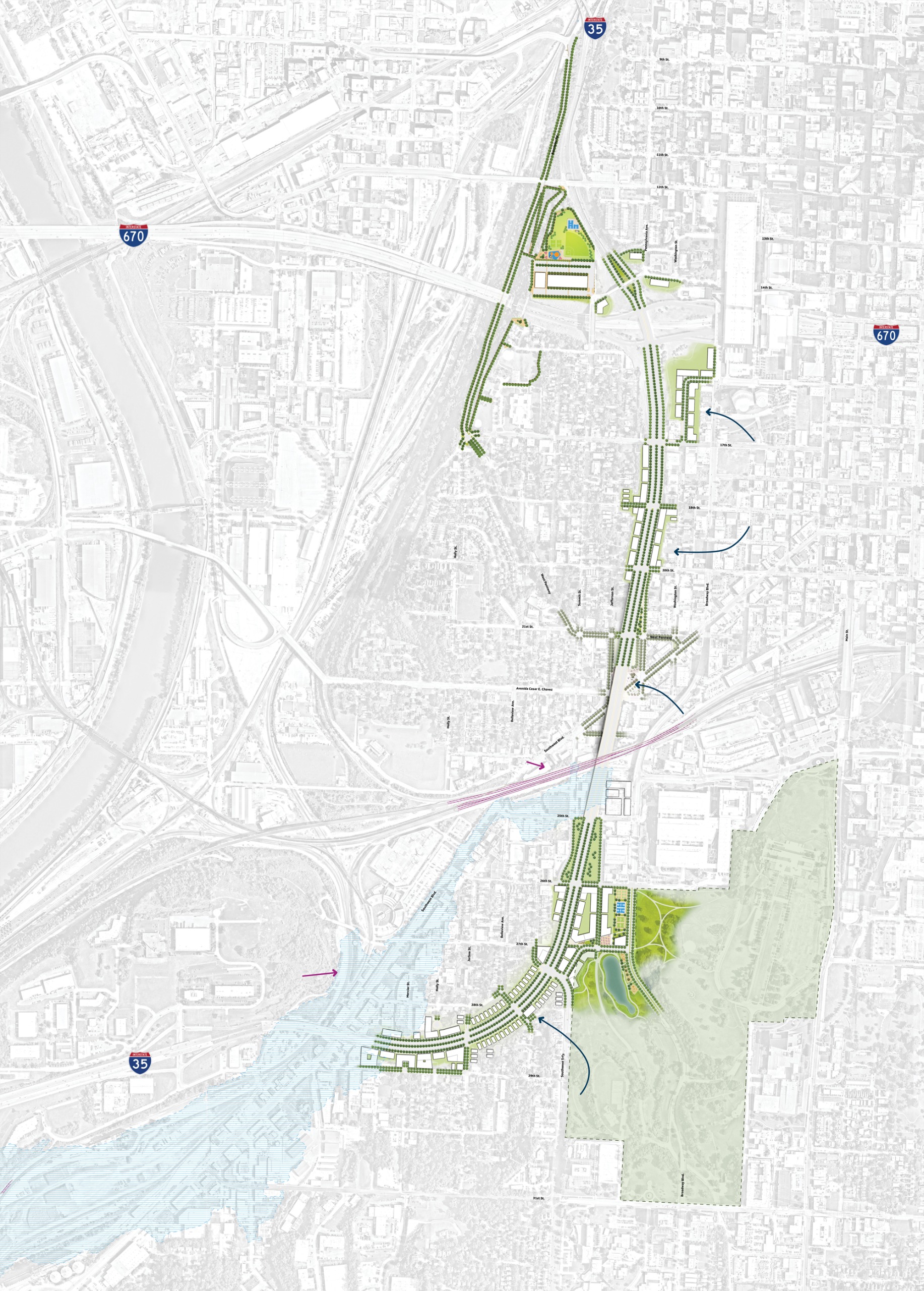
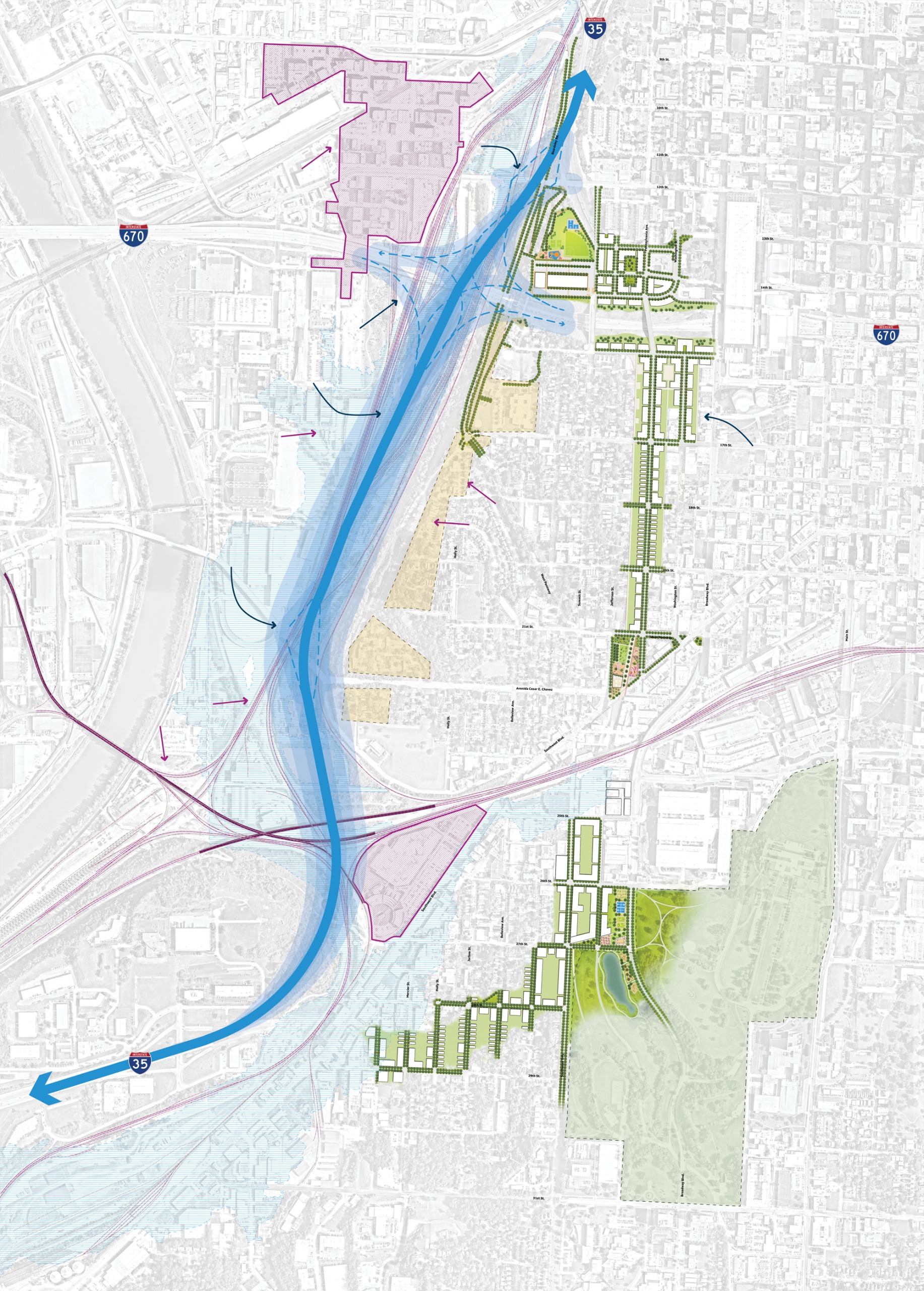
Traffic modeling helps us understand how drivers shift their travel paths in response to each alternative. The resulting changes in the amount and speed of traffic are being carefully considered as a part of this study. Some alternatives cause diversion in traffic. However, due to the amount of additional capacity in the Kansas City region’s highways, this doesn’t always result in longer travel times. Illustrative travel time shifts are shown in the maps and tables.

Travel Times at 5:00p.m.

Image shows table with travel times for different alternatives

Preliminary Evaluation of Refined Alternatives

Preliminary Evaluation of Refined Alternatives

Level 2 Screening Criteria

This study refines options that passed initial checks (Level 1) by qualitatively assessing how well they meet the project's Purpose and Need, Community Goals, and Environmental and Engineering Criteria.

Image shows a table with the preliminary evaluation of refined alternatives

The Level 2 Screening Criteria includes: Needs (safety, access and connectivity, good state of repair), Community Goals (noise and air quality, parks and open space, non-displacement, economic, development), Environmental (feasibility, impacts, land uses, hydrology, economic effects), and Engineering (contructability, costs, risks, traffic impacts, and maintenance).

These are categorized on how well they meet the criteria on a scale of: Does Not Meet Criteria, Slightly Meets Criteria, Partially Meets Criteria, Mostly Meets Criteria, and Meet Criteria.

Next Steps

Next Steps

Next Steps for Reconnecting the Westside

Learn more about what's coming up and what to expect.

The Reconnecting the Westside PEL Study will conclude in Spring 2026. Key milestones remain between this public meeting and the study’s completion.

Key Milestones Remaining:

  • Initial Draft PEL Document: December 31, 2025
  • PEL Revisions and Final PEL: Q1 2026
  • National Environmental Policy Act (NEPA) Transition Memo

Funding for other phases of the Reconnecting the Westside project has not been identified, but opportunities exist to secure funds for NEPA, design, and implementation.

Future next steps include:

  • Add Reconnecting the Westside to Missouri’s Unfunded Needs Priorities
  • Integrate into the Mid-America Regional Council’s Long-Range Transportation Plan and future Transportation Improvement Program
  • Prioritize within MoDOT’s Statewide Transportation Improvement Program
  • Advance financial feasibility analysis, including innovative financing and value capture strategies
  • Pursue competitive discretionary federal grants, such as MEGA and BUILD
  • Leverage MoDOT formula-based federal funds, including NHPP and STBG

The Preferred Alternative will be identified and developed during the NEPA process.

NEPA Process will include:

  • Review reasonable strategies and NEPA Coordination Plan from the PEL Study
  • Segment near-term and long-term priorities based on compatibility, implementation timeline, and NEPA Class of Action determination
  • Analyze reasonable strategies and detailed decisions
  • Conduct preliminary engineering
  • Select Preferred Alternative
  • Secure Finding of No Significant Impact or Record of Decision
  • Maintain continued community engagement and agency coordination throughout

The PEL Study considered strategies like infill development, parks, and open spaces. Future decisions depend on the selected alternative, and once finalized, further community engagement and departmental coordination will follow.

Coordination may include:

  • Design and program parks and public spaces integrated with transportation projects
  • Develop land use and urban design master planning
  • Implement affordable housing and displacement mitigation strategies
  • Review and update zoning standards
  • Provide ongoing community outreach and education
  • Coordinate with City Planning, Parks Department, and other governmental agencies

Comment Form

Comment Form

Share Your Feedback Here!

Provide your comments or questions in this online comment form.
Kansas City Logo

Contact Us

Have questions or want to learn more about the project, contact us below:

Contact Information
Name Project Manager – Selina Zapata Bur, AICP
Phone (816) 648-7863
Email Contact@ReconnectWestside.com
Website www.kcmo.gov
We are on
Receive Project Updates

Stay involved and learn more about the Reconnecting the Westside project by signing up to receive updates about the project and upcoming events.